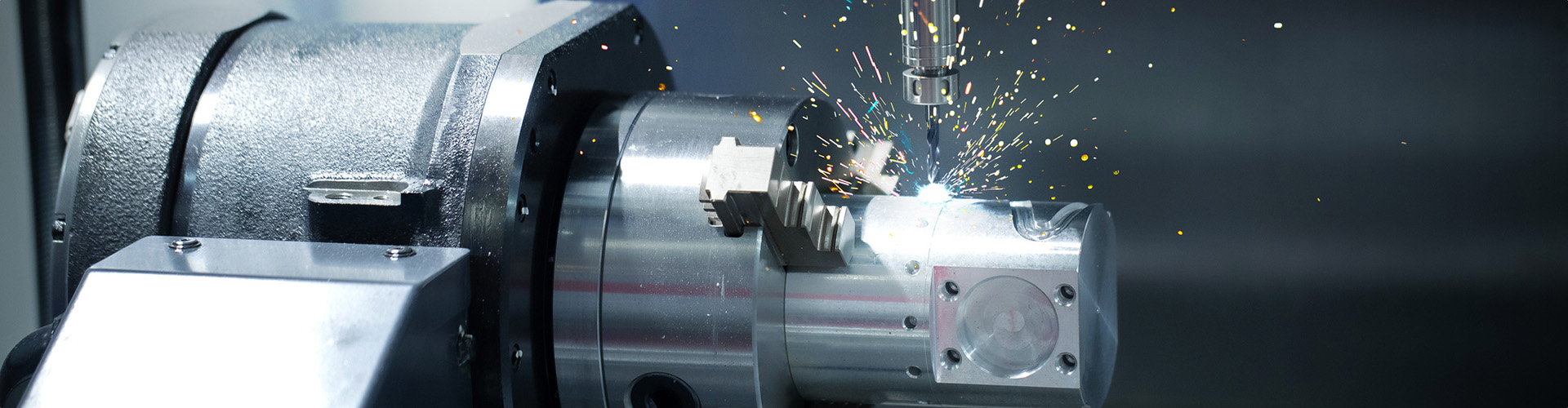
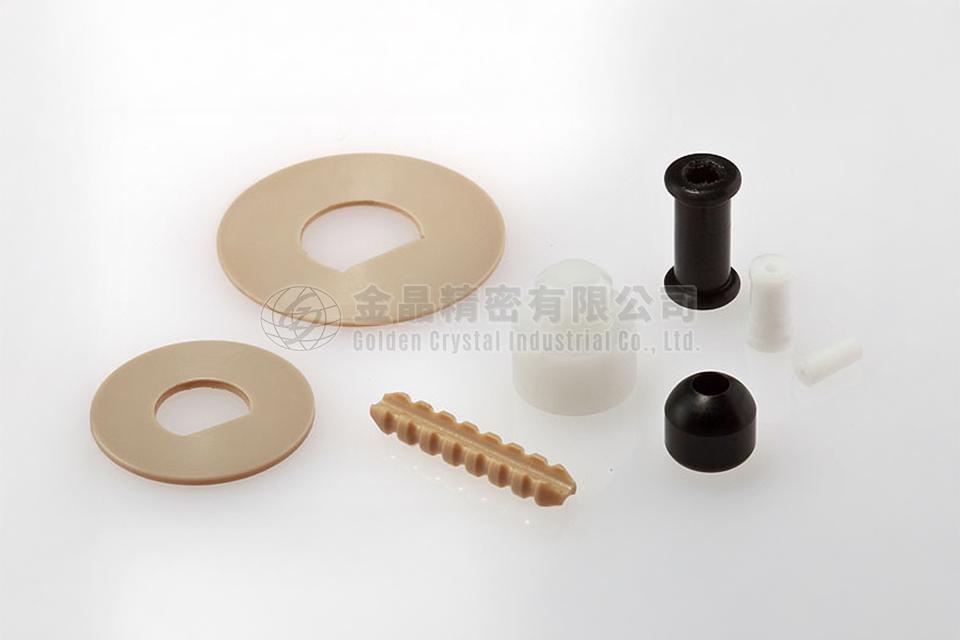
Engineering plastics (EP) are a class of polymer materials with excellent physical, chemical, and mechanical properties, used in precision parts machining. Compared to general packaging plastics (such as PE, PP, and PS), engineering plastics can withstand higher physical stresses and remain stable in extreme environments (such as high temperatures and chemical corrosion), often used to replace metal parts.
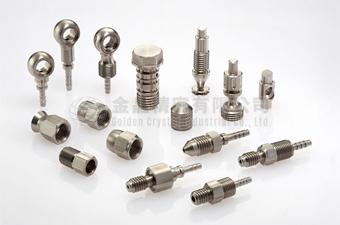
Stainless steel, used for precision parts machining, is an indispensable material in modern industry and daily life. Its most crucial characteristic is its excellent corrosion resistance. This is primarily due to the presence of over 10.5% chromium (Cr) in the alloy, which forms a very thin but strong "passivation film" on the surface, preventing further oxidation.
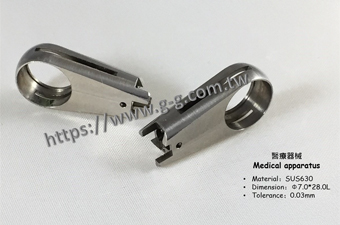
Titanium alloys, used in precision machining, are hailed as "space metals" or "future metals" in modern industry. Their popularity stems from a near-perfect balance between strength, weight, and corrosion resistance.
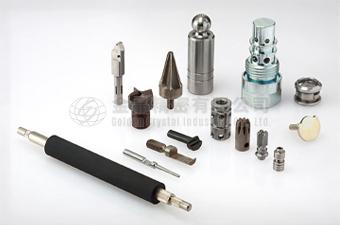
The precision machining of ferroalloy parts is important because they can significantly alter the physical and chemical properties of the metal. Common properties include: deoxidation and desulfurization, improved grain structure, imparting special properties, lowering melting point.
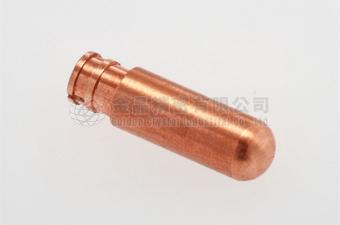
Free-cutting brass is used for precision parts machining. The most classic representative grades are C3604 (Japanese standard) or C36000 (American standard). The most distinctive feature of this material is the addition of trace amounts of lead (Pb) to the brass. This causes the chips to break into small fragments during machining, preventing them from tangling with the tool and making it ideal for high-efficiency automated production.
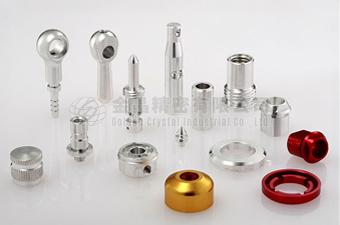
Aluminum alloys, used in precision machining, are hailed as the "vitamins of modern industry" due to their lightweight, high strength, corrosion resistance, and excellent machinability. From the mobile phone in your pocket to satellites in space, they are virtually ubiquitous.
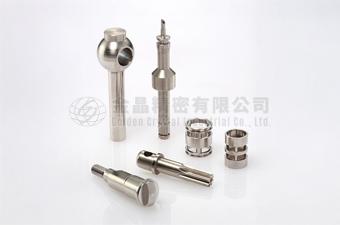
Nickel alloys, used in precision machining of parts, are hailed as the "vitamins of industry" in modern industrial applications. This is not only because they impart superior properties to other metals, but also because of their stability under extreme environments (high temperatures, strong corrosion).