
Ferroalloy Material Properties and Industrial Applications
03 14, 2026
Material Machining
Main Properties of Ferroalloys
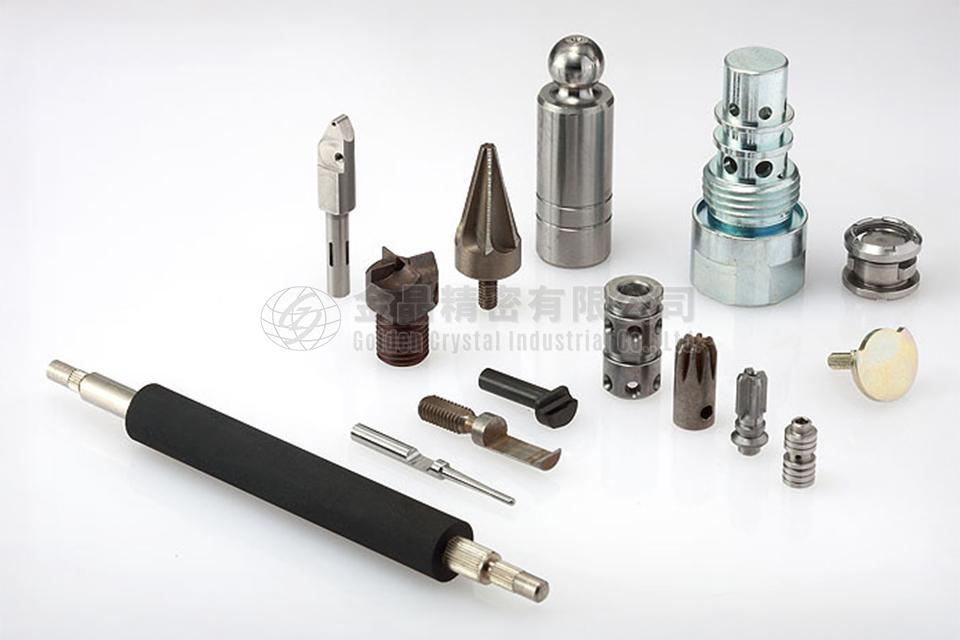
The precision machining of ferroalloy parts is important because they can significantly alter the physical and chemical properties of the metal.
Common properties include:
- Deoxidation and Desulfurization: During steelmaking, ferroalloys react with oxygen or sulfur in molten steel to form and remove slag, thus improving the purity of the steel.
- Improved Grain Structure: Some ferroalloys can refine the grain structure of steel, improving the material's toughness and strength.
- Imparting Special Properties: By adjusting the proportions, the material's corrosion resistance, wear resistance, magnetic properties, or high-temperature resistance can be increased.
- Lowering Melting Point: As intermediate alloys, their melting points are usually lower than pure metals, making them more readily dissolved during steelmaking.
Common Ferroalloy Classifications and Applications
- Ferromanganese
- Properties: A powerful deoxidizer and desulfurizer, eliminating "hot brittleness" caused by sulfur.
- Applications: Used in almost all steel products. 1. High-manganese steel: It significantly improves the impact resistance of steel (e.g., excavator buckets, crusher liners).
- Ferrosilicon
- Properties: Excellent deoxidation effect and improves the magnetic permeability of metals.
- Applications: * Transformer cores: Used in the manufacture of silicon steel sheets to reduce power loss.
- Cast iron: As an inoculant, it helps graphite precipitation and prevents castings from becoming brittle.
- Ferrochrome
- Properties: Significantly improves corrosion resistance and hardness.
- Applications: * Stainless steel: This is the largest application of ferrochrome. The chromium content in stainless steel typically needs to reach above 12%, which affects tool life in CNC machining.
- Ball bearings: Provides extremely high wear resistance.
- Ferrotungsten & Ferrovanadium
- Properties: Improves hot hardness (red hardness) and tempering stability.
- Applications: * High-speed tool steel: Used in CNC machining for manufacturing cutting tools such as drills and end mills that need to maintain hardness at high temperatures.
Summary of Industrial Applications
| Ferroalloy Type | Main Element | Core Function | Representative End Products |
|---|---|---|---|
| Ferrosilicon | Silicon (Si) | Deoxidation, increased magnetism | Motors, Transformers |
| Ferromanganese | Manganese (Mn) | Desulfurization, improved toughness | Rail steel, construction steel |
| Ferrochromium | Chromium (Cr) | Corrosion resistance, heat resistance | Stainless steel tableware, chemical pipe fittings |
| Ferromolybdenum | Molybdenum (Mo) | Increased high-temperature strength | Aircraft engine parts, precision instruments |
Note: While ferroalloys can significantly improve the performance of steel, the proportions added must be precisely calculated. Excessive elements can sometimes lead to material embrittlement or decreased weldability.