
Stainless Steel Material Characteristics, Grades, and Applications
Stainless steel, used for precision parts machining, is an indispensable material in modern industry and daily life. Its most crucial characteristic is its excellent corrosion resistance. This is primarily due to the presence of over 10.5% chromium (Cr) in the alloy, which forms a very thin but strong "passivation film" on the surface, preventing further oxidation.
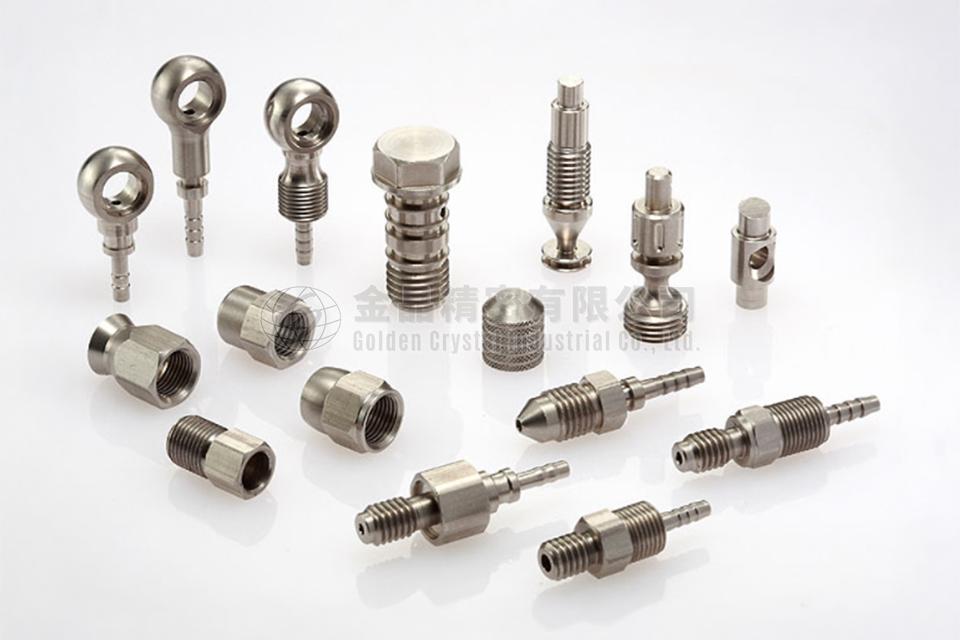
Below is a summary of the main characteristics, common grades, and practical applications of stainless steel:
Core Characteristics of Stainless Steel
- Corrosion Resistance: This is the most important characteristic, remaining stable in most atmospheric, water, and acidic/alkaline environments.
- High and Low Temperature Resistance: Some grades can withstand extreme high temperatures without deformation or maintain toughness at low temperatures.
- Easy to Clean and Hygienic: The smooth surface does not easily harbor bacteria, making it widely used in the food and medical industries.
- Excellent Mechanical Properties: It possesses good strength, ductility, and machinability, making it suitable for stamping and welding.
- Environmentally Friendly and Recyclable: Stainless steel is 100% recyclable, aligning with sustainable development trends.
Common Model Classification and Applications
Stainless steel parts are mainly classified into three series based on their metal microstructure:
| Series | Common Models | Main Characteristics | Typical Applications |
|---|---|---|---|
| Austenitic | 304 | Most versatile, good corrosion resistance, non-magnetic. | Tableware, kitchen sinks, architectural decoration. |
| 316 | Contains molybdenum (Mo), resistant to chloride ion corrosion (saltwater resistant). | Chemical equipment, medical equipment, coastal facilities. | |
| Ferritic | 430 | Contains chromium but no nickel, magnetic, good thermal conductivity. | Washing machine drums, decorative panels, automotive exhaust pipes. |
| Martensitic | 420 / 440 | High hardness, wear-resistant, but with weaker corrosion resistance. | Professional knives, scissors, bearings. |
Main Application Areas
- Food and Medical: Due to its non-reactive nature and ease of sterilization, it is the preferred choice for food processing lines, pharmaceutical equipment, and surgical instruments.
- Building and Infrastructure: Used for exterior wall cladding, handrails, and bridge structures, offering both aesthetic appeal and reduced maintenance costs.
- Transportation: Aircraft parts, automotive exhaust systems, train carriages, etc., utilizing its high strength and heat resistance.
- Energy and Heavy Industry: Oil drilling rigs, nuclear power plant heat exchangers, requiring resistance to extremely corrosive environments.
Fun Fact: Is Stainless Steel Really "Rust-Free"?
Actually, stainless steel is only "extremely rust-resistant." If the passivation layer is damaged by chemicals (such as strong acids or chlorine), or if it is exposed to water for extended periods in an oxygen-deficient environment, it will still corrode. Therefore, regular cleaning and selecting the correct model are crucial.