
Titanium Alloy Properties, Applications, and Challenges
Titanium alloys, used in precision machining, are hailed as "space metals" or "future metals" in modern industry. Their popularity stems from a near-perfect balance between strength, weight, and corrosion resistance.
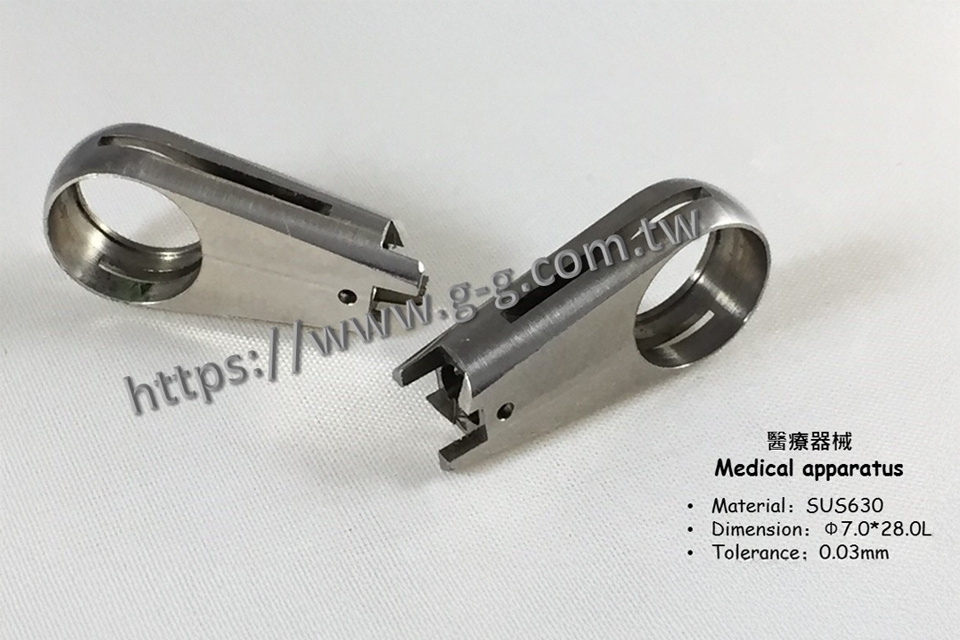
Below is a detailed analysis of the properties and applications of titanium alloys:
Core Properties: Why Choose Titanium?
The most significant advantage of titanium alloys lies in their extremely high specific strength (strength to weight ratio).
- Lightweight and High Strength: Titanium's density is approximately 4.51 g/cm³, only about 57% that of steel, yet its strength rivals that of many alloy steels.
- Excellent Corrosion Resistance: At room temperature, a highly stable protective oxide film quickly forms on the surface of titanium, making it virtually uncorroded in seawater, chlorine, and various chemical media.
- Biocompatibility: Titanium is one of the few metals that can be "accepted" by the human body. It is non-toxic, non-magnetic, and bone cells can easily attach and grow on its surface.
- High and Low Temperature Resistance: Titanium alloys maintain high strength at temperatures ranging from 400°C to 500°C, while retaining toughness without brittleness at extremely low temperatures (e.g., -250°C).
Main Application Areas
Due to the high difficulty and cost of processing titanium alloys, they are typically used in applications with extremely demanding performance requirements.
- Aerospace (Core Battlefield)
This is the largest market for titanium alloys.
- Aircraft Structures: Landing gear, engine mounts, wing spars, etc.
- Jet Engines: Compressor blades, discs, and casings, requiring resistance to high temperatures and pressures.
- Biomedical (Best Alternative)
- Artificial Bones and Joints: Such as artificial hip joints, knee joints, etc.
- Dental Implants: Dental implants (implant screws).
- Heart Stents and Pacemaker Shells.
- Chemical and Marine Engineering
- Desalination Equipment: Heat exchangers in seawater desalination plants.
- Deep-sea operations: Pressure-resistant hulls for deep-sea submersibles, capable of withstanding the immense pressure of the deep sea and resistant to corrosion from saltwater.
- High-end consumer goods
- Sports equipment: Golf club heads, high-end bicycle frames.
- 3C products: Frames for flagship mobile phones (such as iPhone 15/16 Pro), laptop cases.
- Eyeglasses and watches: Utilizing its lightweight and hypoallergenic properties.
Disadvantages and challenges of titanium alloys
While its performance is excellent, it is not perfect:
- Difficult to process: Titanium has poor thermal conductivity during cutting, concentrating heat on the cutting edge and easily damaging the tool.
- High chemical reactivity: It readily reacts with oxygen, nitrogen, and carbon during high-temperature melting, requiring manufacturing under vacuum or inert gas protection.
- High cost: From mining to refining to CNC precision machining, the cost at each step is far higher than that of steel or aluminum alloys.
Fun fact: Titanium alloys develop oxide films of various colors when heated, which is why many titanium alloy exhaust pipes or accessories exhibit a vibrant purple-blue hue.