
Engineering Plastics Properties and Applications Guide
Engineering plastics (EP) are a class of polymer materials with excellent physical, chemical, and mechanical properties, used in precision parts machining. Compared to general packaging plastics (such as PE, PP, and PS), engineering plastics can withstand higher physical stresses and remain stable in extreme environments (such as high temperatures and chemical corrosion), often used to replace metal parts.
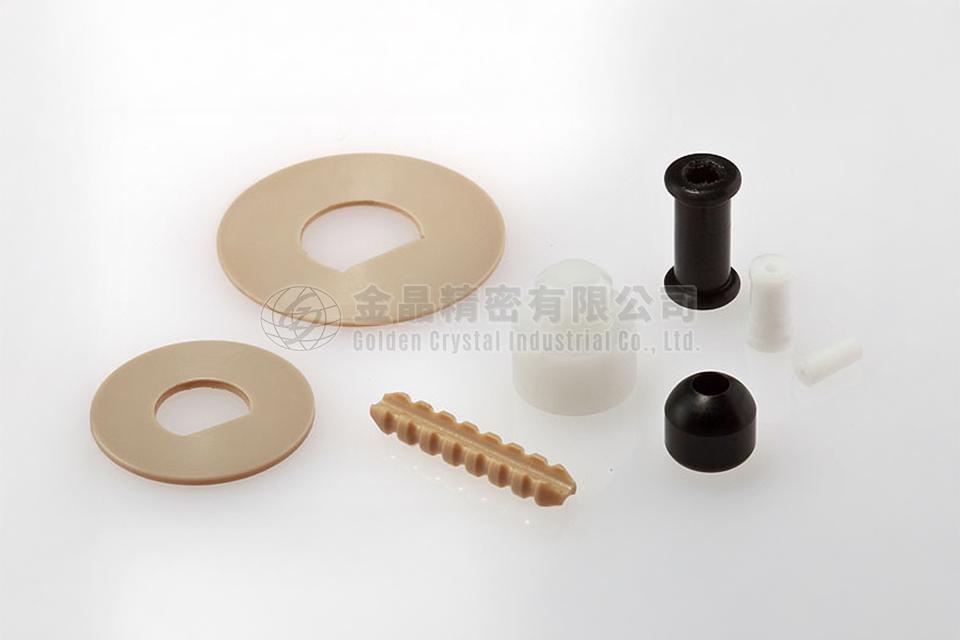
Below is a summary of the core properties, classifications, and main applications of engineering plastics:
1. Core Properties of Engineering Plastics
Engineering plastics are called "engineering grade" primarily due to the following characteristics:
- Excellent Mechanical Strength: Excellent tensile strength, impact resistance, and abrasion resistance.
- Heat Resistance: Maintains structural strength and is not easily deformed even at high temperatures (usually above 100°C).
- Chemical Stability: Good resistance to acids, alkalis, organic solvents, and other chemicals.
- Electrical Insulation: Excellent dielectric properties, making them ideal materials for electronic components.
- Processing Flexibility: Can be manufactured into complex geometric shapes through injection molding, extrusion molding, and other processes, and is lighter than metal.
2. Classification and Common Materials of Engineering Plastics
Engineering plastics are generally classified into two main categories based on their heat distortion temperature and long-term service temperature:
A. General Engineering Plastics
These materials are the most widely used, offering balanced performance and high cost-effectiveness.
- Polyamide (PA, Nylon): Excellent toughness and wear resistance, commonly used in gears.
- Polycarbonate (PC): High transparency and strong impact resistance, commonly used in bulletproof glass and automotive lights.
- Polyoxymethylene (POM, Plastic Steel): High hardness and fatigue resistance, suitable for precision parts machining.
- Polybutylene terephthalate (PBT): Excellent electrical properties, widely used in electronic connectors.
B. Specialty Engineering Plastics (High-Performance Plastics)
Capable of long-term operation in high-temperature environments above 150°C.
- Polyetheretherketone (PEEK): Extremely high temperature and radiation resistant, commonly used in aerospace and medical implants.
- Polyphenylene sulfide (PPS): Excellent chemical resistance and flame retardancy.
- Polytetrafluoroethylene (PTFE, Teflon): Extremely low coefficient of friction and chemical resistance limit.
3. Main Application Areas
| Industry | Specific Applications |
|---|---|
| Automotive Industry | Engine peripheral parts, fuel systems, headlight covers, interior switches. |
| Electronics & Electrical Appliances | Connectors, circuit breakers, laptop casings, insulating sheets, mobile phone parts. |
| Industrial Machinery | Gears, bearings, conveyor belt sliders, pump impellers. |
| Medical Equipment | Surgical instrument handles, artificial joints (PEEK), dental instruments. |
| Aerospace & Marine | Aircraft interior parts, corrosion-resistant valves, fasteners. |
4. Engineering Plastics vs. Metals
When designing products, engineering plastics are often considered an alternative to metals (such as aluminum and zinc alloys) due to their advantages:
- Lightweight: Their density is much lower than metals (approximately 1/2 to 1/7), contributing to energy conservation.
- Reduced Assembly: Complex shapes can be injection molded in a single step, reducing the number of parts.
- Corrosion Resistance: They do not rust and require no additional electroplating or coating.
Professional Reminder: When selecting engineering plastics, in addition to considering strength, it is essential to confirm the material's water absorption rate (e.g., nylon's dimensions change after absorbing water) and coefficient of thermal expansion.